
The 1941 Lincoln Wheat Penny looks like a safe purchase. It is old, widely known, and usually inexpensive. That combination creates confidence—and confidence is where many buyers lose money. High mintages, subtle grading differences, and frequent surface manipulation make this coin one of the easiest places for mistakes to happen.
Struck just before World War II, the 1941 cent belongs to the final era of traditional bronze coinage. The United States Mint produced it in enormous numbers to meet everyday demand. Philadelphia alone struck nearly 887 million pieces, while Denver and San Francisco each added just over 15 million. This imbalance explains why most examples encountered today are common, even if they look appealing at first glance.
Prices span a wide range. Circulated coins trade for pocket change. Certified gems sell for thousands. The danger lies in the middle, where raw coins are often marketed as far better than they truly are.
Before looking at grades or varieties, buyers need to understand one basic truth: most 1941 Wheat Pennies are not rare. Paying a premium 1941 penny value requires proof, not optimism.
Why Raw “Bargains” Often Turn Expensive
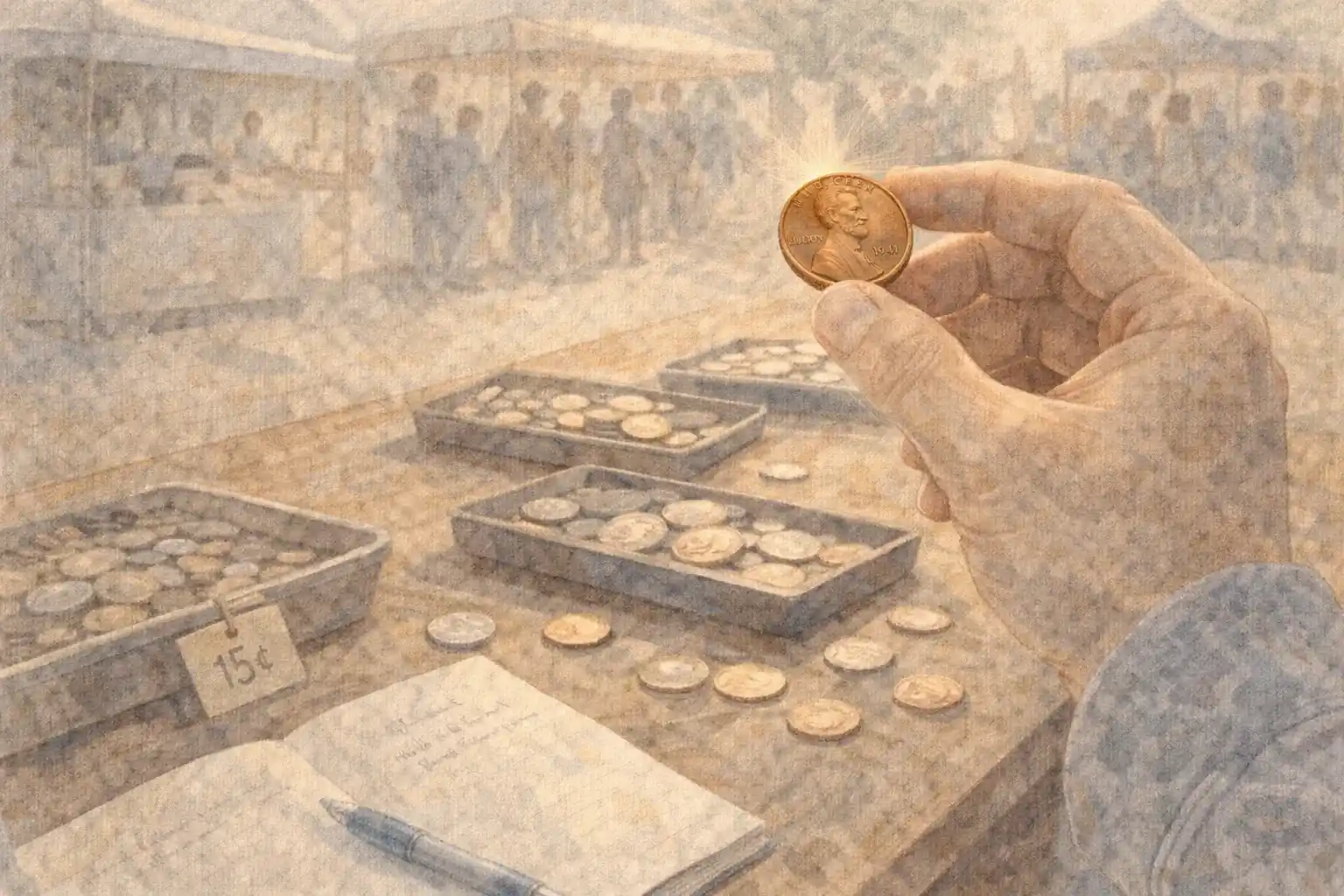
Many first-time buyers start with raw coins. Flea markets, online listings, and inherited jars promise hidden value. Phrases like “estate find” or “uncleaned gem” appear frequently, yet they rarely hold up under inspection.
Common warning signs include:
bright, glossy surfaces with no depth
fine parallel hairlines visible under light
muted or smeared design details
vague grading claims without certification
A raw coin advertised as “MS65 Red” for $15–$20 almost never justifies that price and needs to be proven via the best free coin identifier app. True red examples at that grade are scarce and typically certified. Once cleaning or polishing is confirmed, value can drop by 50–80% instantly.
The Risk of Overgrading
Overgrading remains one of the most expensive errors. Sellers may honestly believe a coin is uncirculated, yet minor wear on Lincoln’s cheek or jawline often places it firmly in circulated territory.
Coin finder technologies and professional grading exists for a reason. Coins certified by Professional Coin Grading Service or Numismatic Guaranty Company consistently outperform raw pieces because the grade is trusted and repeatable.
Without a slab, buyers assume all risk.
Color Illusions: Red Isn’t Always Red
Color adds another layer of confusion. Bronze cents are categorized as Brown (BN), Red-Brown (RB), or Red (RD). The price gap between these designations can be dramatic. A true RD example may sell for ten times the price of a brown coin in the same grade.
That gap invites manipulation.
Some sellers chemically dip brown coins to imitate red surfaces. These coins often look flashy but lack natural luster. Under magnification, the metal appears flat or spotty rather than vibrant.
Authentic 1941 cents show subtle variation:
warm copper tone, not neon brightness
smooth transitions, not blotches
intact luster that moves under light
Weight also matters. A genuine 1941 cent weighs about 3.11 grams. Anything noticeably lighter raises concerns.
Early Screening Saves Money
Before committing to a purchase, basic checks prevent costly errors. Many collectors use digital tools like Coin ID Scanner to confirm year, mint, weight, diameter, and composition from a quick photo. This step helps eliminate mismatched dates, altered mint marks, or incorrect specifications before deeper analysis.
These precautions matter most at low and mid price points, where mistakes are common and margins thin.
Mint Marks, Varieties, and Seller Credibility
After surface and color checks, the next costly mistakes usually involve mint marks and varieties. Small letters and subtle die features drive big price differences. They also attract fakery.
Mint Marks: Small Detail, Big Impact
The 1941 cent came from three mints, and scarcity varies sharply.
1941-P (no mint mark): ~887 million struck
1941-D: ~15.3 million
1941-S: ~15.2 million
In circulated grades, the spread is modest. A VF30 Philadelphia coin may trade near $0.25, while Denver and San Francisco reach $0.50–$0.75. In higher grades, the gap widens quickly. That gap explains why altered mint marks appear so often.
Common red flags include:
a mint mark that looks too sharp for the surrounding surface
different color or texture around the letter
a mint mark that sits slightly off position
Added or altered mint marks are not rare in online listings. Once detected, value drops to that of a common Philadelphia issue.
Varieties Worth Paying For—If Verified
A few legitimate varieties justify premiums, but only with clear diagnostics and attribution.
Doubled Die Obverse (FS-101)
Rounded, separated doubling on the date and motto. Market values usually start around $100 and rise with grade.Repunched Mint Marks (RPM)
Most often seen on Denver coins. Look for remnants of an earlier punch beneath the primary D. Typical premiums range from $50 to $300.Overmint (1941-D/S)
Scarce and desirable when confirmed. Prices can exceed $1,000.
Claims without matching diagnostics from recognized references should be treated as marketing, not evidence.
Vet the Seller, Not Just the Coin
Seller credibility matters as much as the coin itself. Many losses come from trusting listings rather than verifying them.
Avoid sellers who:
provide only one or two low-quality photos
refuse returns
rely on stories instead of data
use vague grades like “looks MS”
Counterfeit slabs also circulate. Fonts, holograms, and insert layouts may look close but not exact. Always verify certification numbers directly with Professional Coin Grading Service or Numismatic Guaranty Company before bidding.
For raw coins, quick spec checks help. Many collectors use Coin ID Scanner to confirm mint year, composition, diameter, and weight from a photo. That step often exposes fake mint marks or incorrect attributions immediately. Mint marks and varieties reward precision. Assumptions cost money.
Design Details, Error Claims, and Habits That Protect Your Budget
The final category of costly mistakes comes from overestimating minor details and underestimating discipline. On a widely available date like 1941, small misreads add up fast.
Don’t Confuse Sharp Detail with Scarcity
Some sellers promote “full steps” or unusually crisp wheat lines as automatic value multipliers. Sharp detail helps, but it does not override grade, color, and originality. On genuine premium coins, step definition appears alongside intact luster and untouched surfaces. Cleaned coins can look sharp while being permanently impaired.
Before paying extra, confirm:
luster moves naturally under light
wheat lines are sharp without polish haze
fields show no parallel hairlines
Only in high grades does step quality significantly multiply value, and even then, certification is essential.
Be Skeptical of Error Claims
The 1941 Wheat Penny has legitimate errors, but most claims fail scrutiny.
Errors that can justify premiums when verified:
Doubled Die Obverse (FS-101) with rounded separation
Clear repunched mint marks on Denver issues
Genuine overmint examples with documented diagnostics
What to avoid:
flat, shelf-like “doubling” from machine bounce
scratches described as die cracks
vague claims without close-up photos
Professional attribution by Professional Coin Grading Service or Numismatic Guaranty Company protects buyers at this level. Raw error coins without documentation carry unnecessary risk.
Spotting Counterfeits and Problem Coins
Counterfeit slabs and altered coins appear most often where prices rise into the hundreds. Warning signs include mismatched fonts, incorrect insert layouts, or certification numbers that fail online verification. Always cross-check serials before purchase.
For raw coins, basic specs matter. A genuine 1941 cent weighs about 3.11 grams and shows consistent bronze composition. Tools like Coin ID Scanner help confirm year, mint, diameter, and weight quickly from a photo, filtering out obvious mismatches before money changes hands.
Smart Buying Habits That Save Thousands
Long-term collectors follow simple rules:
buy fewer coins, not more
favor certified examples above MS65
compare recent sold prices, not asking prices
store coins properly to preserve color and value
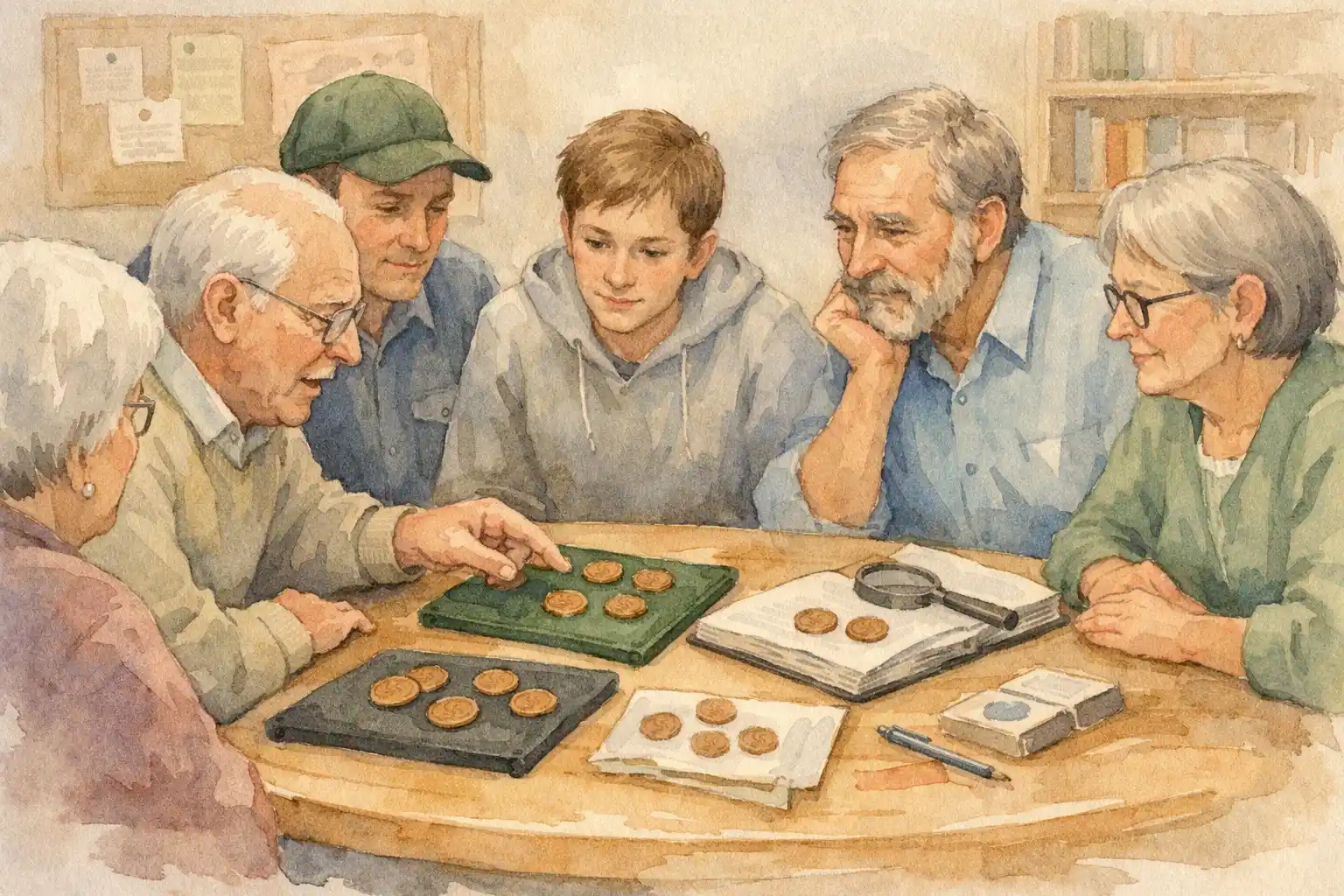
Reliable venues include established auctions, reputable dealers, and local coin clubs where education matters more than hype.
The 1941 Wheat Penny rewards patience and knowledge. Its affordability invites entry, but that same accessibility creates traps. By insisting on verification, respecting condition, and avoiding emotional purchases, collectors turn a common pre-war cent into a safe, enjoyable addition rather than an expensive mistake.