
Coin collecting has never been more exciting. Classic tools still let you feel every detail of a coin, but digital platforms like coin-identifier.com now add instant identification, clear data, and effortless organization.
Today’s collectors stand between two worlds — the tactile satisfaction of traditional instruments and the smart efficiency of modern tech. Blending them turns a simple hobby into a more confident and rewarding experience from the very first coin you examine.
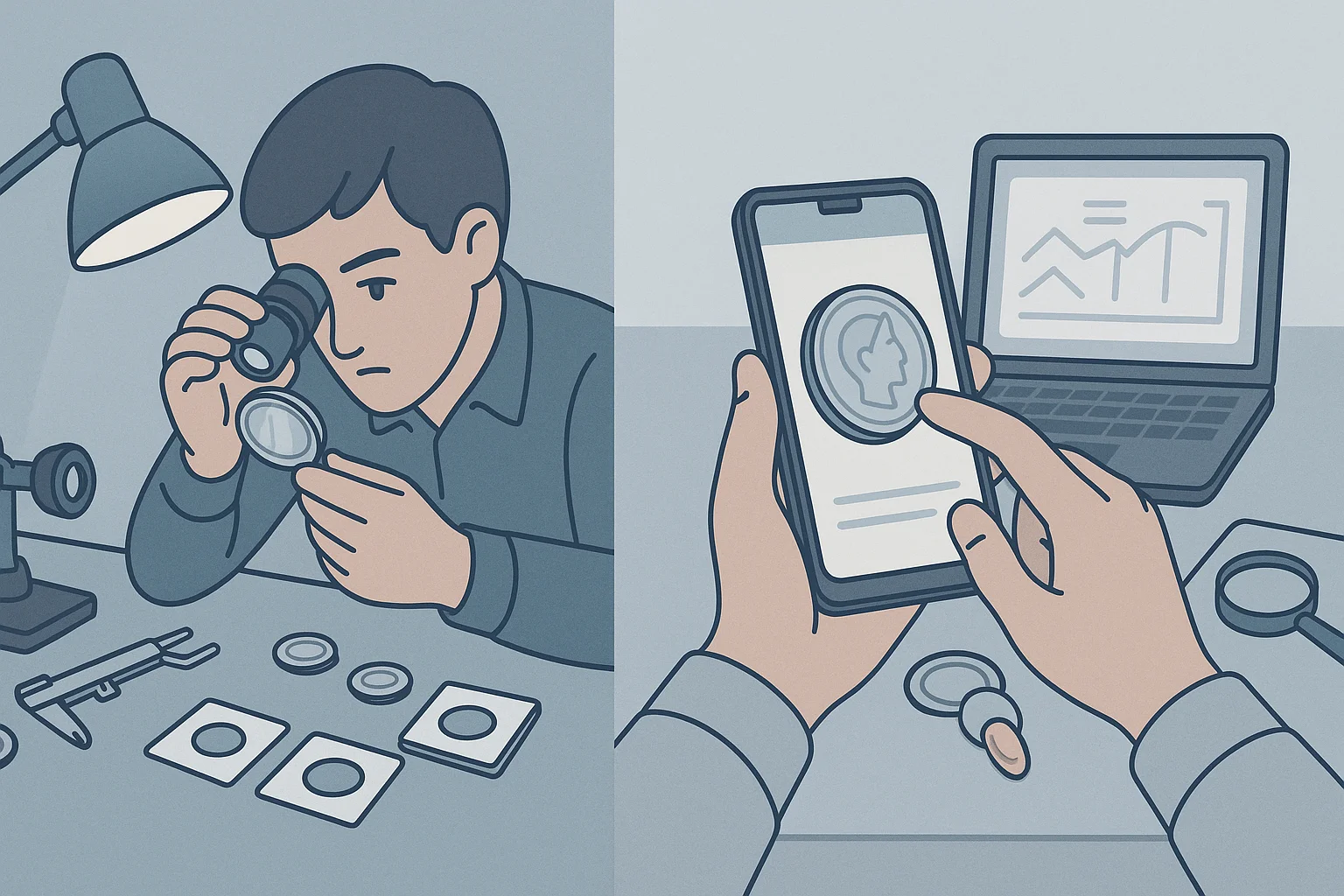
Traditional Tools: The Hands-On Foundation of Coin Collecting
Coin collecting grew long before digital platforms existed, and many tools used decades ago still define the craft today. These instruments give collectors direct control over how they inspect, store, and protect their coins. Each serves a specific purpose, and together they build the practical foundation any collection needs.
Magnification: Seeing Every Detail Clearly
A reliable magnifying glass or jeweler’s loupe is the first tool many collectors buy. Coins contain small design elements that determine value, grade, and authenticity. Mint marks, hairlines, subtle die cracks, or surface abrasions can all influence a coin’s desirability.
Common magnification choices include:
3× handheld magnifiers for general viewing
10× loupes for checking fine details
Triplet lenses for distortion-free inspection
Magnification helps collectors catch issues early, understand grading standards, and distinguish original surfaces from altered ones.
Protective Storage: Keeping Coins Safe
Coins react strongly to humidity, oils, and improper handling. Proper storage limits exposure and preserves long-term value. Collectors rely on various forms of protection depending on the importance and sensitivity of each coin.
Essential storage formats include:
Acid-free flips and sleeves for affordable organization
Hard plastic capsules for long-term preservation
Albums with labeled slots for structured series-building
Display cases for showcasing prized pieces
Good storage also reduces the risk of scratches, toning changes, and corrosion caused by environmental conditions.
Measurement Tools: Confirming Authenticity
Weight and dimensions are critical for identifying counterfeits or altered pieces. Digital calipers and precise gram scales allow collectors to verify each coin’s physical specifications.
Common uses of measurement tools:
Checking diameter and thickness
Matching weight to official mint standards
Detecting drilled, filed, or plated coins
Assessing metal consistency through density comparisons
Many fake coins fail these basic tests, making measurement tools a practical defense strategy.
Lighting and Viewing Pads: Improving Visibility
Good lighting is essential for spotting changes in texture or color. Soft, diffused light highlights luster patterns and imperfections without creating harsh reflections. Collectors often use:
LED desk lamps with adjustable brightness
White backdrop viewing pads
Daylight-temperature bulbs for neutral color rendering
These aids make grading more consistent and reduce eye strain during close inspection sessions.
Printed References: Knowledge in Physical Form
Before the rise of digital resources, printed catalogs shaped the hobby. They still carry value today, especially when collectors want curated information they can browse without screens.
Useful physical references include:
Annual price guides
Mintage catalogues
Series-specific books
Historical monographs
Printed materials remain reliable for understanding eras, mint policies, and long-term grading trends.
Digital Tools: Speed, Accuracy, and Modern Convenience
Technology reshaped the way collectors study, catalog, and protect their coins. Traditional instruments remain essential, yet digital tools for coin identification unlock a level of accessibility and efficiency that was never possible before. They deliver instant information, enhanced visibility, and structured organization, making the entire process smoother for both beginners and experienced enthusiasts.

Mobile Apps: Fast Identification and Reliable Data
One of the biggest advances in modern numismatics is mobile coin scanner software. Instead of relying solely on printed catalogues, collectors can now identify coins in seconds.
Apps such as Coin ID Scanner offer features like:
Photo identification that matches a coin to its correct type and mint year
Full technical profiles including weight, size, composition, and edge style
Instant price insights aligned with current market conditions
Country and series descriptions to give context for each issue
This reduces the time spent searching through books and helps prevent mistakes caused by confusing design similarities.
Digital Catalogues and Collection Management
Organizing a growing collection by hand becomes difficult over time. Digital catalogues solve that problem by keeping everything structured and searchable.
Benefits include:
High-quality coin photos stored alongside personal notes
Smart filters that sort coins by country, metal, grade, or series
Instant access across devices through cloud sync
Easy export options for insurance or inventory reports
Large collections can be reviewed in seconds without flipping through heavy binders.
Digital Microscopes: Revealing What the Eye Misses
Traditional loupes show plenty, but digital microscopes bring out details that small lenses simply cannot capture. Their high-resolution output helps uncover:
Tiny die varieties
Microscopic scratches
Surface texture inconsistencies
Signs of cleaning or tampering
Many microscopes connect to laptops or phones, creating clear images ideal for documentation, grading notes, or expert consultation.
Cloud Backup and Secure Archiving
Loss of physical notes or device failure can derail years of tracking. Digital tools offer protection through:
Encrypted backups
Cross-device storage
Long-term digital archiving
Collectors can keep records safe and retrieve them anytime, even if their primary device is unavailable.
AI Assistance for Research and Valuation
Modern numismatic apps now feature AI helpers capable of answering advanced questions. They assist in:
Interpreting mint marks
Finding comparable market sales
Explaining historical context
Suggesting possible varieties
Clarifying grading differences
This kind of support mirrors expert guidance and encourages more confident decision-making.
Why Digital Tools Matter Today
Digital instruments don’t replace traditional ones; they expand a collector’s capabilities. They:
Speed up research
Reduce errors
Offer broader market visibility
Improve documentation
Give beginners a smooth entry into the hobby
These tools streamline processes that once took hours, making coin collecting more accessible and organized than ever.
Building the Ideal Toolkit: Blending Traditional and Digital Methods
Collectors who rely on only one type of tool often limit their results. Traditional instruments provide the physical precision needed to evaluate coins properly, while digital platforms add speed, structure, and context. When combined, they form a complete system that supports every stage of the hobby — from identification to long-term preservation.
Physical Inspection Supported by Digital Clarity
A loupe or magnifier gives the most authentic experience of examining a coin. You can tilt it under light, check the surface, and study the luster. Digital microscopes add another layer by showing what is too small for the eye.
Used together, they allow collectors to:
Examine a coin by hand
Capture fine details digitally
Document specific marks or varieties
Compare high-resolution images with grading standards
This hybrid approach improves accuracy for grading, variety detection, and authentication.
Better Storage Through Combined Systems
Physical storage keeps coins safe, but digital records make organization effortless. Albums and capsules protect what you own, while digital catalogues create a clear overview of your entire collection.
A balanced setup includes:
Capsules and albums for physical care
Mobile catalogues for tracking notes and values
Cloud backups to protect your records
High-quality photos to monitor changes over time
Collectors can quickly update digital files after adding new coins, adjusting grades, or reorganizing series.
Identification and Verification: Two Layers of Confidence
Identifying an unfamiliar coin once required knowledge, experience, and multiple printed references. Today mobile apps detect coins instantly, which helps collectors confirm mint years or compositions before referencing deeper material.
This two-step method adds reliability:
Initial identification using Coin ID Scanner for fast confirmation
Follow-up checks using loupes, calipers, scales, or printed guides
The combination minimizes mistakes and strengthens authenticity checks.
Smarter Decision-Making With Digital Valuation Tools
Traditional knowledge helps collectors judge condition, but digital resources make market research easier. Modern apps show current prices, recent sales, and long-term trends that guide decisions before buying or selling.
Collectors benefit by:
Checking fair market ranges
Monitoring changes in metal prices
Updating insurance estimates
Comparing values across similar issues
This information prevents overpaying and ensures each acquisition fits the collector’s goals.
Why Both Worlds Matter
Traditional tools bring precision. Digital platforms bring clarity. Together they give collectors everything needed to evaluate, record, and manage coins with confidence.
A full toolkit merges:
Loupes, scales, capsules, albums
Digital microscopes, catalogues, cloud backup, AI research assistants
Apps like Coin ID Scanner for fast identification and detailed profiles
This system supports beginners learning the basics and advanced collectors researching rare varieties.
Modern coin collecting thrives on a dual approach. Classic tools ground collectors in hands-on examination, while digital resources streamline research and management. By combining both, enthusiasts gain accuracy, convenience, and long-term security for their collections. With reliable instruments on the desk and powerful apps in hand, the hobby becomes clearer, safer, and more enjoyable — allowing every collector to build a well-preserved and well-documented numismatic journey.